Chennai Faces 40 Degree Temperatures As Rare July Heatwave Sweeps Tamil Nadu
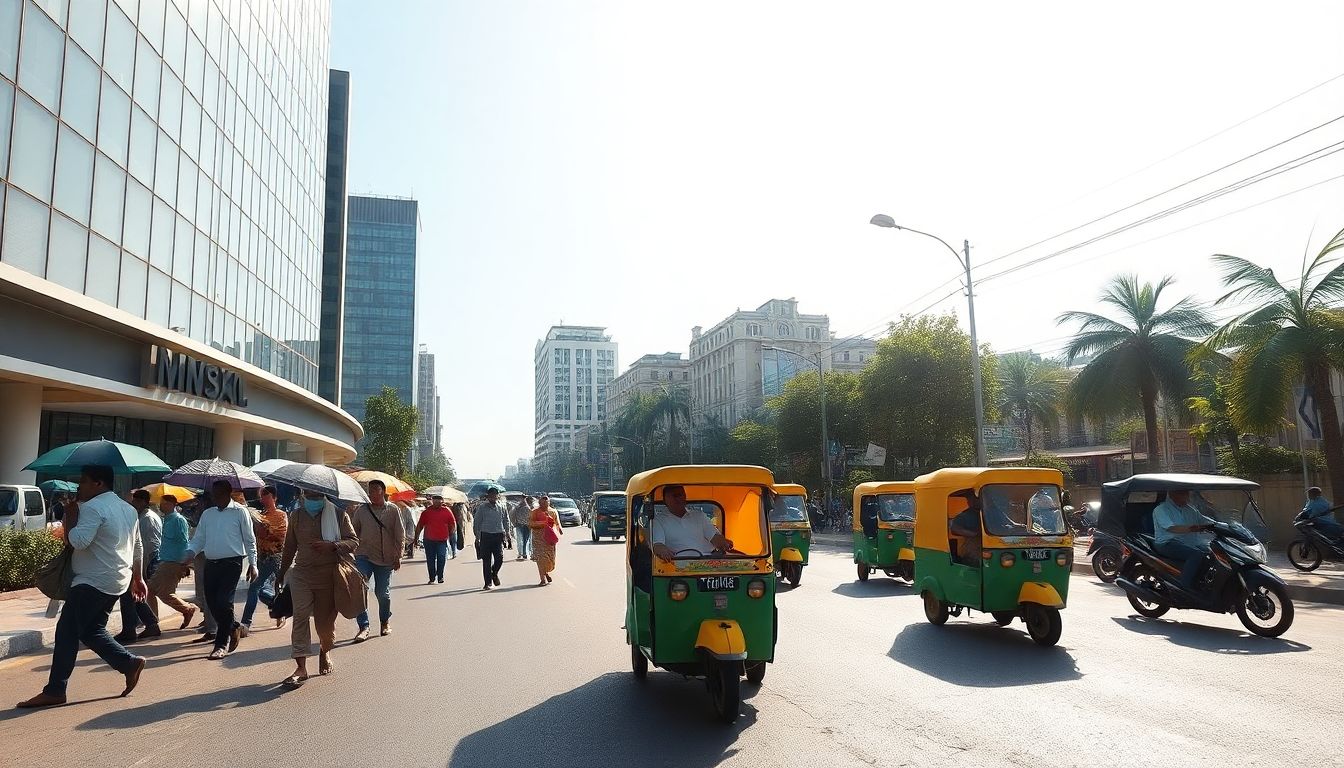
Chennai braced for temperatures of up to 40 degrees Celsius as an unusual July heatwave swept across Tamil Nadu, triggered by a weak Southwest monsoon. The Regional Meteorological Centre (RMC) announced that the unseasonal heat spell, which intensified on Tuesday, July 14, was expected to bring hot and humid conditions to coastal areas and cause heat stress among vulnerable populations through July 16.
According to RMC officials, heatwaves are highly uncommon in July because the active Southwest monsoon typically moderates regional temperatures. However, a weak monsoon over south India, a lack of moisture incursion, and reduced cloud cover combined to trigger a consistent rise in mercury levels.
On Tuesday, temperatures soared past the 40-degree Celsius mark at seven weather stations across Tamil Nadu. Madurai Airport recorded a record-breaking maximum temperature of 42.5 degrees Celsius, making it likely the hottest temperature in the country that day. This reading surpassed the airport's previous all-time July high of 42 degrees Celsius, which was recorded in 2017.
Other areas heavily impacted by the searing heat on Tuesday included Vellore, Tiruchi, and Tiruttani, which all recorded temperatures above 40 degrees Celsius. Meanwhile, Chennai, Karur, and Puducherry registered maximum temperatures close to 39 degrees Celsius.
V.R. Durai, the Head of the Regional Weather Forecasting Centre at the RMC, explained that these dry conditions led to exceptionally high daytime temperatures and heatwave conditions in interior Tamil Nadu, as well as neighbouring Telangana and Andhra Pradesh. Kavali in Andhra Pradesh was also among the hottest stations in the country, recording 42 degrees Celsius on Tuesday.
The RMC forecast that maximum temperatures would remain 2 to 4 degrees Celsius above normal in isolated pockets of both interior and coastal Tamil Nadu. Officials advised that the prevailing hot and humid conditions were likely to cause heat stress, particularly for vulnerable sections of the local population during the afternoon hours.