Chengalpet to Establish Second Bird Sanctuary at Odhiyur Lagoon
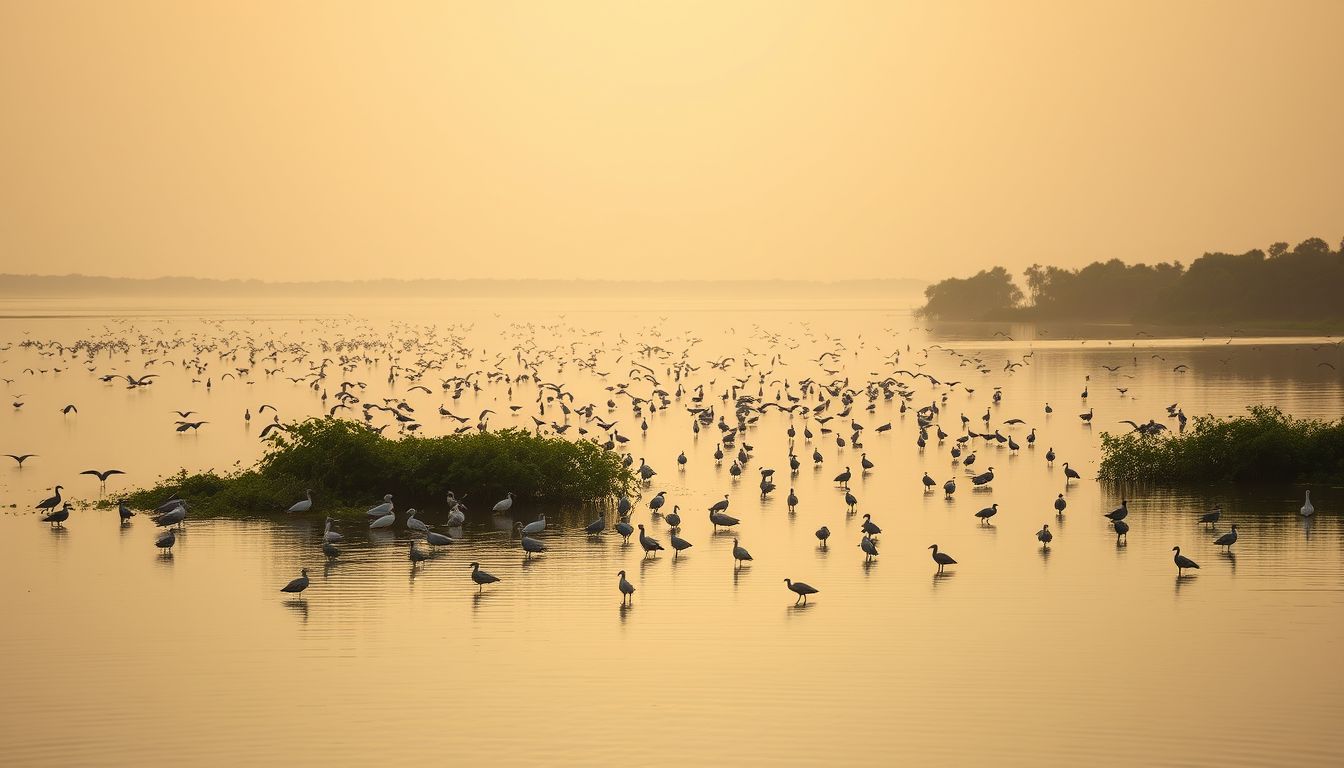
Chengalpet district is set to get its second bird sanctuary at Odhiyur lagoon in the Cheyyur forest range, as the government has initiated measures to formally declare and protect the coastal wetland area.
The formal process to establish the sanctuary will begin once the revenue department completes measuring and classifying the land at Odhiyur lagoon, located on the eastern coast near the sea. Following the completion of land measurements, the classified area will be handed over to the forest department to develop the sanctuary alongside the district's famous Vedanthangal lake sanctuary.
The forest department has requested a comprehensive report defining the exact boundaries of the proposed sanctuary within the Cheyyur forest range. The total wetland area must be officially notified under the Wildlife Protection Act before the forest department can begin its work. Fixing ecological boundaries is intended to stop encroachments, construction work, and agricultural activities within the sanctuary area.
Under Supreme Court guidelines, the lagoon area must be mapped under the National Wetland Inventory and Assessment, bringing it under the regulatory protection of the Wetland (Conservation and Management) Rules.
The Odhiyur lagoon acts as a crucial stopover site along the Central Asian flyway for about 200 bird species and lies directly in the migration path of birds traveling between India and Australia. The eastern coast of Chengalpet attracts between 40,000 and 1,00,000 migratory water birds every winter.
Birds visiting the region include garganeys, teals, grey pelicans, open-billed storks, and spoonbills coming from places such as Sri Lanka, Siberia, Myanmar, Canada, Indonesia, Pakistan, Burma, China, and Australia. Major species expected at Odhiyur include Greater Flamingos, Eurasian Spoonbills, Northern Pintails, and the endangered Indian Skimmer.
Forest officials aim to provide sufficient tree cover in the sanctuary so birds can build nests, lay eggs, and raise young ones during winter before returning to their native regions in May. Environmental activists and bird watchers are expecting early completion of preliminary works by the revenue department to safeguard the land from infrastructure and industrial development.