CAG Study Finds Low-Floor Buses Boost Mobility for Differently Abled
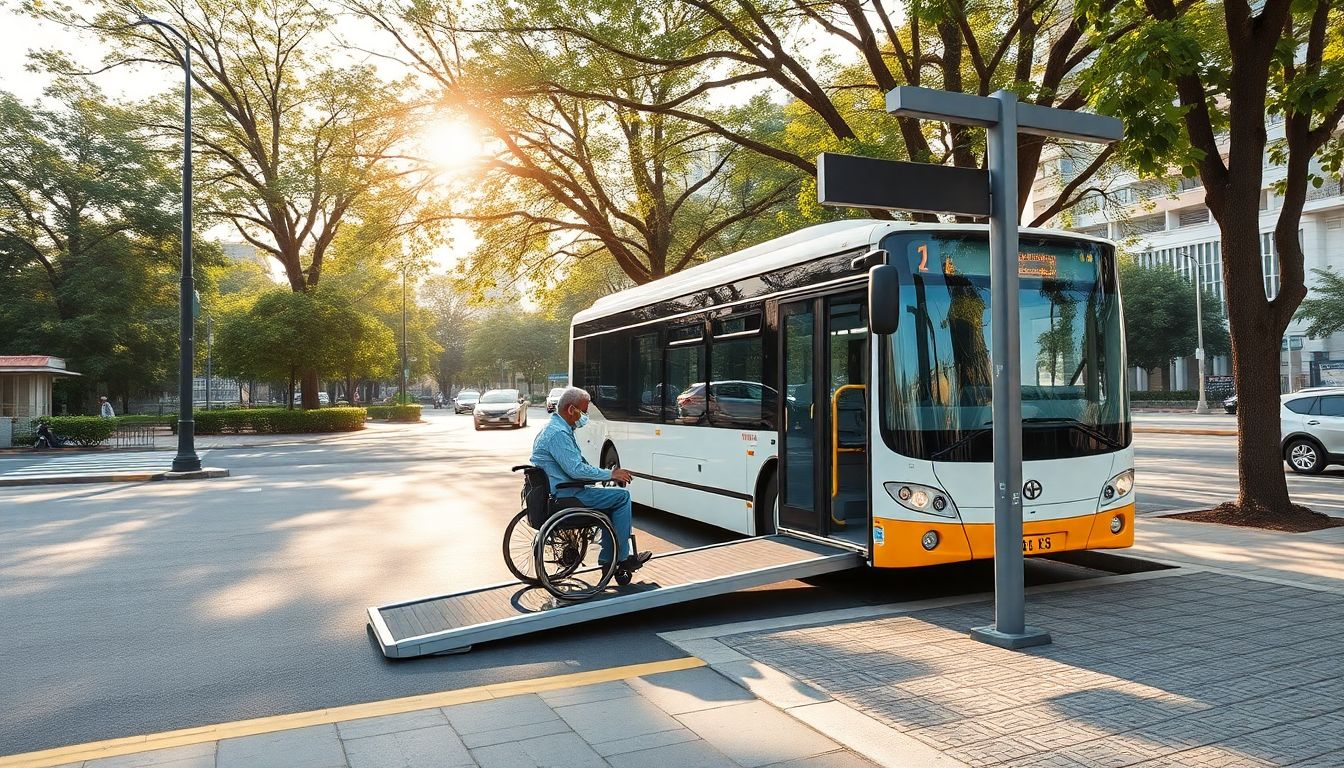
A study released by the Citizen Consumer and Civic Action Group (CAG) has revealed that low-floor buses have significantly improved mobility for persons with disabilities across Chennai, including areas like Tambaram, leading to calls for an expansion of the existing fleet.
The report, titled 'Moving Without Barriers: Documenting Mobility Barriers Encountered by People with Disabilities in Chennai', was released on August 20, 2026, by Greater Chennai Corporation Joint Commissioner (Works) A. Saravanan. It showed unanimous satisfaction among surveyed commuters with disabilities who used the city's 1,540 low-floor buses, which were introduced in 2024.
According to report author Divya Arvind, researchers surveyed 99 persons with disabilities specifically regarding their experience with low-floor buses, and all respondents expressed satisfaction with the service while demanding more such vehicles. One respondent from Tambaram shared that he had completed nearly 800 trips on low-floor buses since their launch in 2024. Based on this feedback, the study recommended transitioning the entire city bus fleet to low-floor models.
Covering over 270 respondents through perception surveys and focus groups, the broader study evaluated accessibility across public transit and urban spaces. While public transport access has improved, systemic issues persist. Around 66 per cent of respondents lived within 1 kilometre of public transit, but nearly 68 per cent reported encountering blocked paths or uneven surfaces on their routes. Only 11 per cent of persons with disabilities reported encountering zero barriers on city roads.
Vehicle interiors also presented challenges, with 41.5 per cent stating interiors did not meet their needs and 61.4 per cent giving them the lowest rating. Commuters cited shortages of Braille signage, audio announcements, wheelchair spaces, and appropriately placed handrails. Staff behaviour was another issue, with 70 out of 210 respondents reporting negative experiences with crew or fellow passengers.
During the release, Saravanan affirmed that accessibility is a fundamental right and outlined plans by the civic body to upgrade 80 kilometres of footpaths with tactile pathways, modernise bus stops, and enhance public parks and beaches.