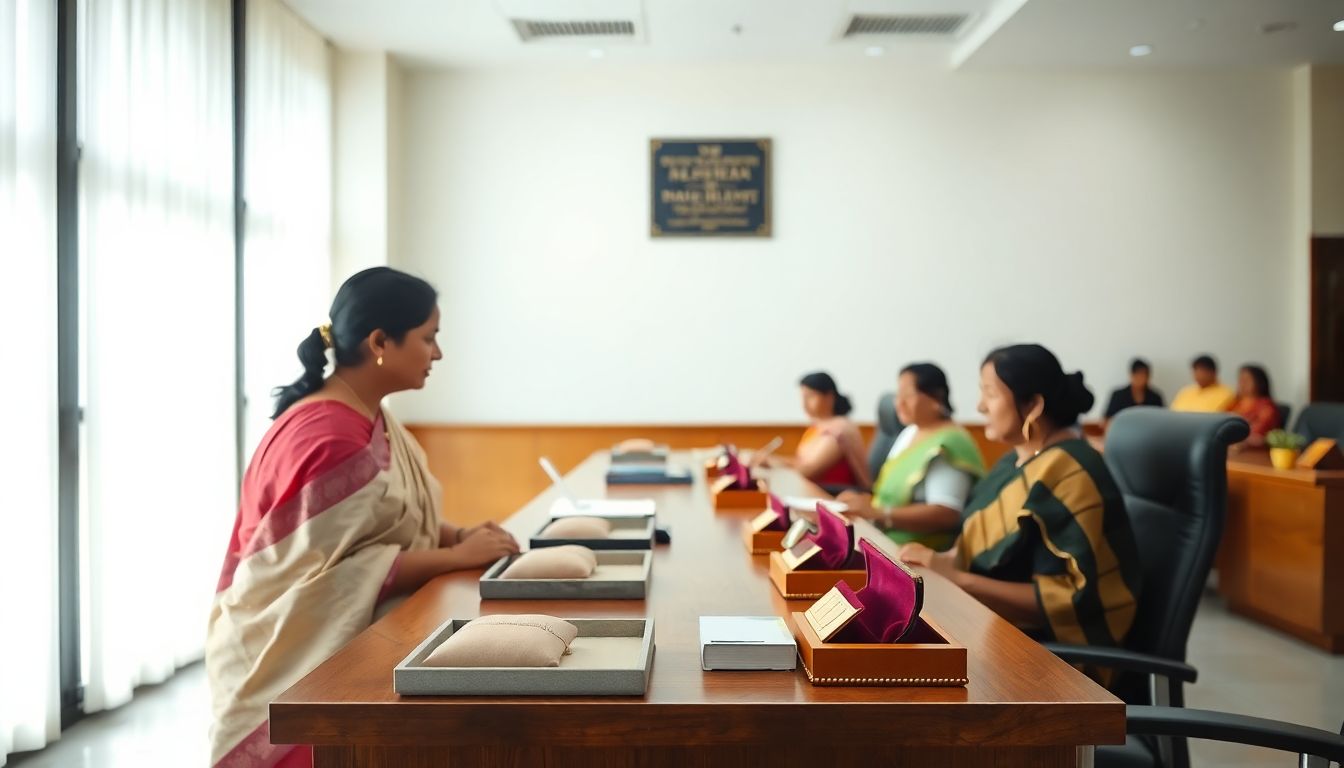
Ancient Chennai Game Boards Share Geometric Patterns With Global Cultures
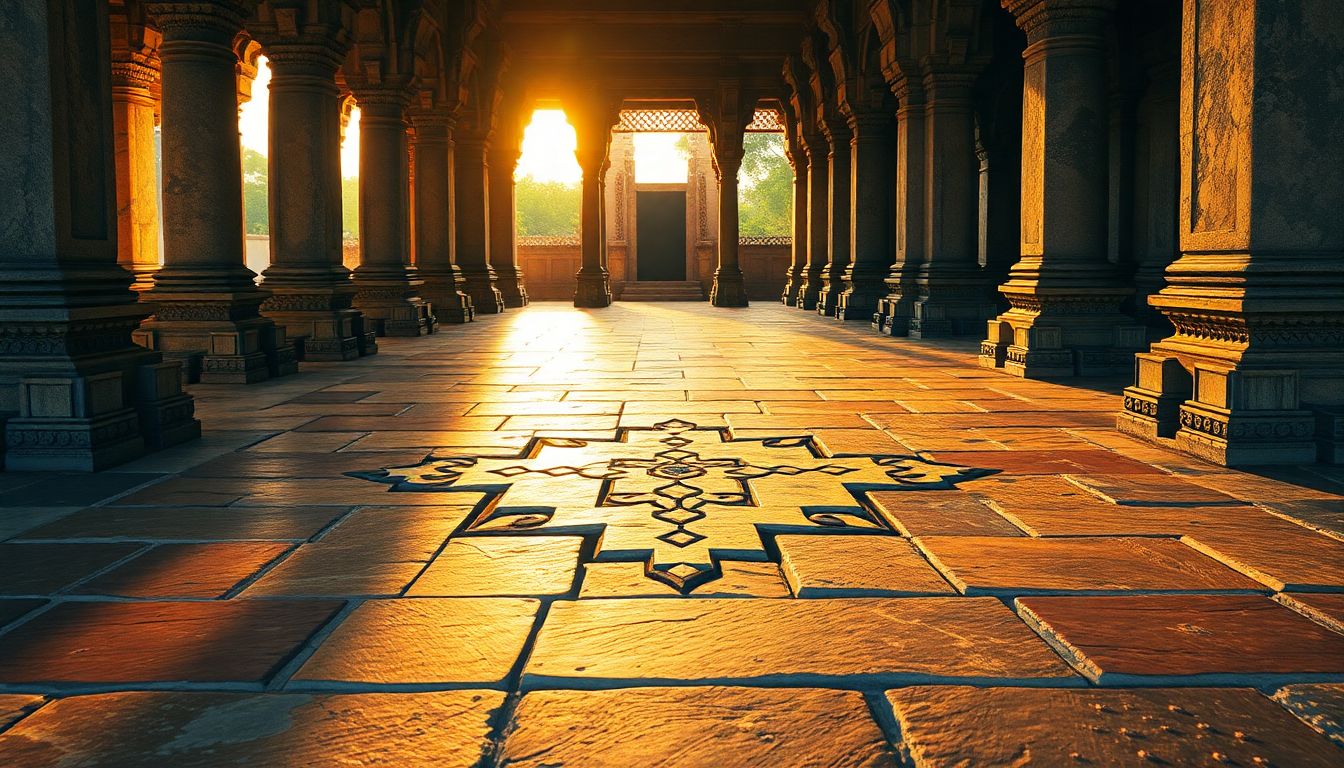
Traditional board games carved into temple floors in Chennai share identical geometric patterns with ancient games played across Spain, Africa, and South America, revealing a universal human methodology for mapping movement and space. Despite vast geographical separations and distinct cultural contexts, ancient game creators repeatedly relied on a handful of simple shapes—such as crosses, circles, and squares—to structure play.
This global phenomenon is highlighted by the striking resemblance between traditional Indian games like Chaupad or Daayakattam, which are designed on a symmetric cross, and Patolli, a game played centuries ago by Mesoamerican civilisations in present-day Mexico. Although oceans, languages, and entire civilisations separated the creators of these games, the underlying boards are nearly identical in their use of the cross pattern.
According to historical analysis, these recurring designs suggest that ancient ancestors borrowed familiar shapes from everyday life to organize play. The universality of these shapes mirrors the concepts of the ancient Greek philosopher Plato, who described five perfect geometric forms, later known as platonic solids, which revealed an underlying order in nature.
These shapes are deeply embedded in human surroundings. Squares appear in agricultural fields and city plans, triangles provide structural stability, circles represent celestial bodies and gathering spaces, and grids are used to organize maps. When creating systems of movement, ancient game designers across different cultures were naturally drawn to these same patterns.
These traditional game boards, often found as simple lines scratched onto stone or earth, have proven remarkably persistent across centuries. Because they were easy to remember, these geometric patterns survived through oral traditions without needing to be written down, serving as a quiet link to a shared cultural past across human civilisation.