Amit Shah Criticises Congress Over Two-Stanza Vande Mataram Stance in Mahabalipuram
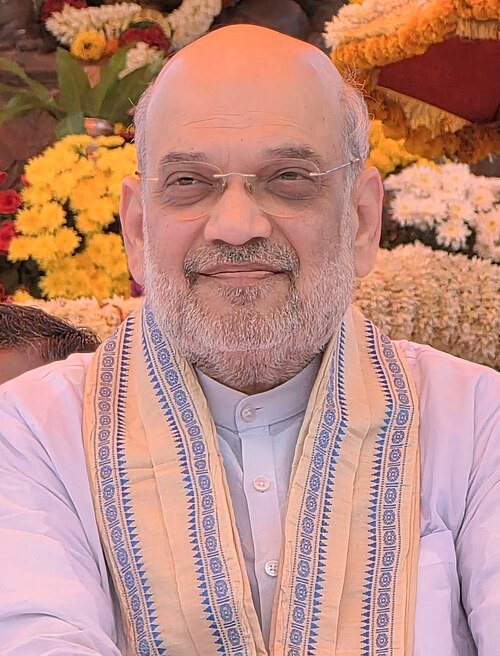
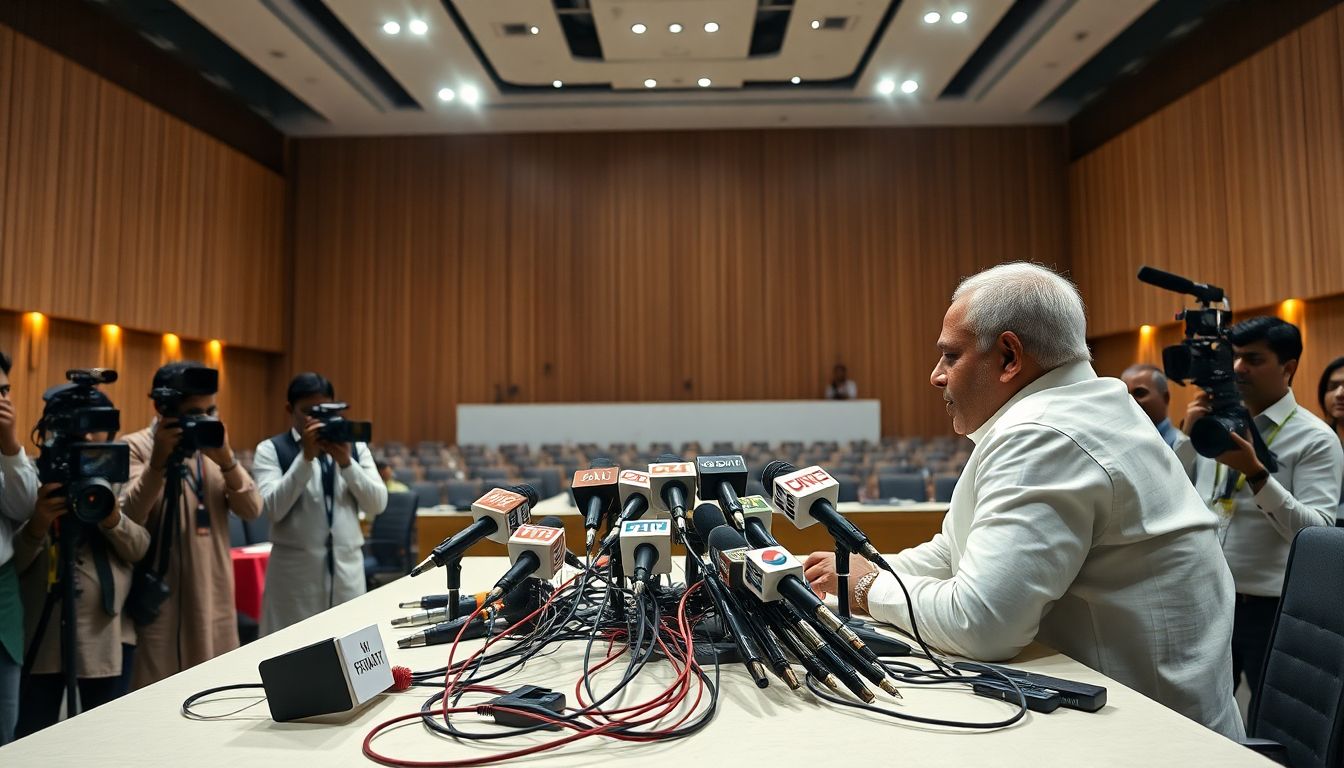
The political row over Vande Mataram intensified on Thursday as Union Home Minister Amit Shah accused the Congress of appeasement and defying the law following its decision to sing only two stanzas of the national song. Shah made the remarks in Mahabalipuram on the sidelines of the South Zone Chief Ministers' meeting.
Speaking at the event, Shah stated that the Congress Working Committee's decision amounted to repeating a historic mistake made in 1937. He alleged that the Congress had restricted the rendition of Vande Mataram at that time for appeasement, claiming that the historical move strengthened the two-nation theory that ultimately led to the Partition.
Shah noted that the Narendra Modi government had corrected that mistake during the 150th anniversary of Vande Mataram by granting legal recognition to the full song. Accusing the Congress leadership under Rahul Gandhi of pursuing vote-bank politics, Shah described the CWC decision as anti-national and an open defiance of the law. He urged the public to oppose what he termed the Congress party's politics of appeasement.
The Congress strongly rejected the allegations. Senior Congress leader Jairam Ramesh accused the Bharatiya Janata Party of politicising an emotive national issue to divert public attention from pressing concerns, including issues affecting students.
Ramesh defended the party's stance by explaining that the Congress position was rooted in a 1937 CWC resolution. He said that resolution was adopted by prominent leaders of the freedom movement, including Jawaharlal Nehru, Sardar Vallabhbhai Patel, Subhas Chandra Bose, and Maulana Abul Kalam Azad, acting on the advice of Rabindranath Tagore.
Ramesh further recalled that Rajendra Prasad had declared Vande Mataram the national song on January 25, 1950, and went on to accuse BJP leaders of being fraudulent and fake nationalists. Other BJP leaders also joined the political debate, alleging that the Congress was prioritising vote-bank politics over national sentiment.