2,358 Tamil Nadu Government School Students Join Premier Higher Education Institutions

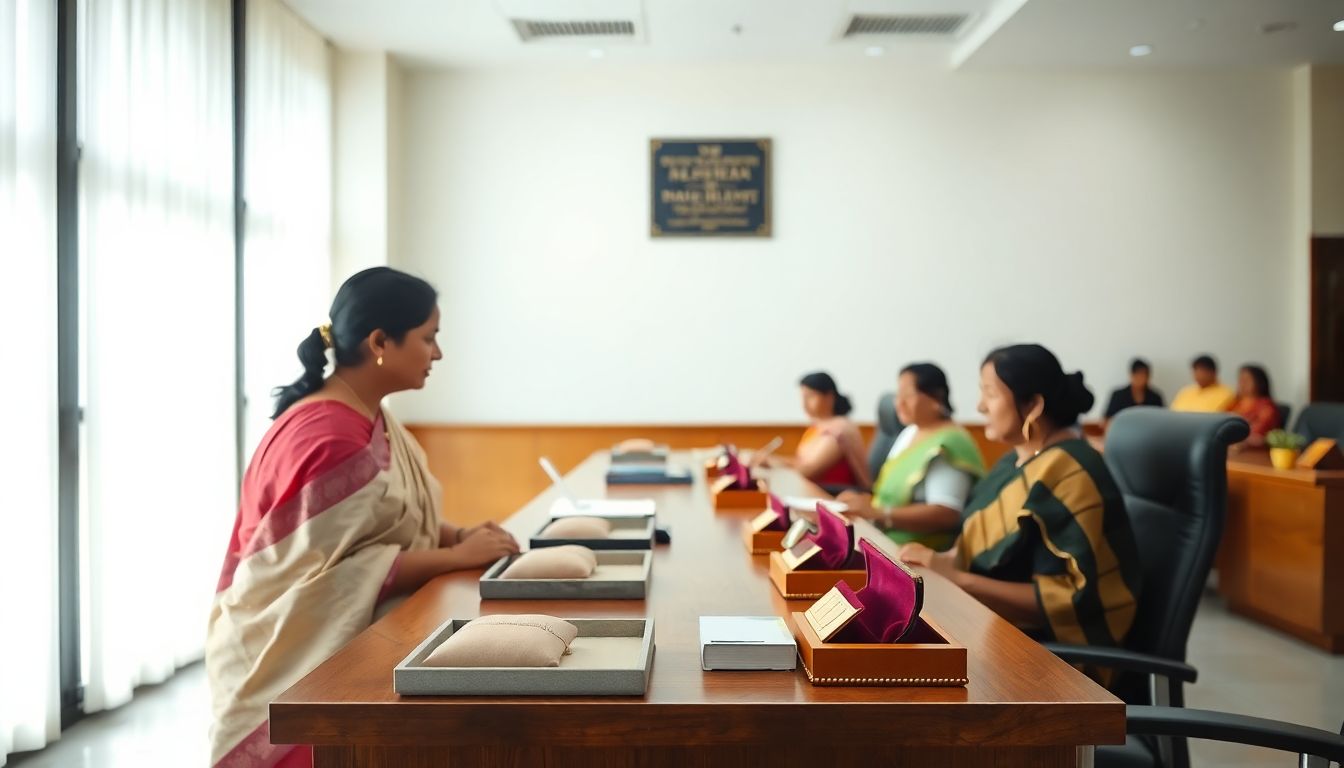
A total of 2,358 students from Tamil Nadu government schools have successfully joined premier national and international higher education institutions over the past four years. This milestone, which includes 948 girls, highlights the state's shifting educational landscape from basic literacy toward global academic opportunities.
Among those securing international admissions is Jayashree Perumal from Pannandur village in Krishnagiri district. Perumal is currently pursuing mechanical engineering at Kun-Shan University in Taiwan, making her the first graduate in her family.
The educational progress is further supported by a recently released Niti Aayog report. According to the report, Tamil Nadu registered a 13.1 percent increase in its higher education Gross Enrolment Ratio (GER) between the years 2014 and 2025.
The state has also recorded high transition rates within its school system. The transition rate from primary to upper-primary school stands at 96.7 percent, while the transition from upper-primary to secondary school is at 96.6 percent. Both figures remain well above the national average.
These achievements present a high benchmark of inclusive growth and social justice for the newly formed Tamil Nadu government administration. Historically, the state's educational rise has been closely linked to its social justice movement, where education was treated as a foundation for economic mobility and social transformation.
In the decades following Independence, the state systematically expanded its school infrastructure. This included establishing primary schools in panchayat unions, middle schools in town panchayats, high schools in municipalities, and higher secondary schools in every revenue block.
This expansion, combined with former Chief Minister Kamaraj’s mid-day meal scheme in government schools, significantly improved literacy rates and school attendance, particularly among rural students and girls.
During the subsequent decades, the state expanded its higher and professional education systems. Government arts and science colleges and universities were established across districts, while reservation policies enabled larger numbers of students from historically marginalized communities to enroll.
By the 1990s, this structural support allowed Tamil Nadu to transition from producing first-generation graduates to producing first-generation engineers, software professionals, administrators, and entrepreneurs. The new administration now faces the task of studying these past lessons to develop future educational plans.