108 Service Adds Ambulances at Koyambedu, Maraimalainagar Accident Hotspots
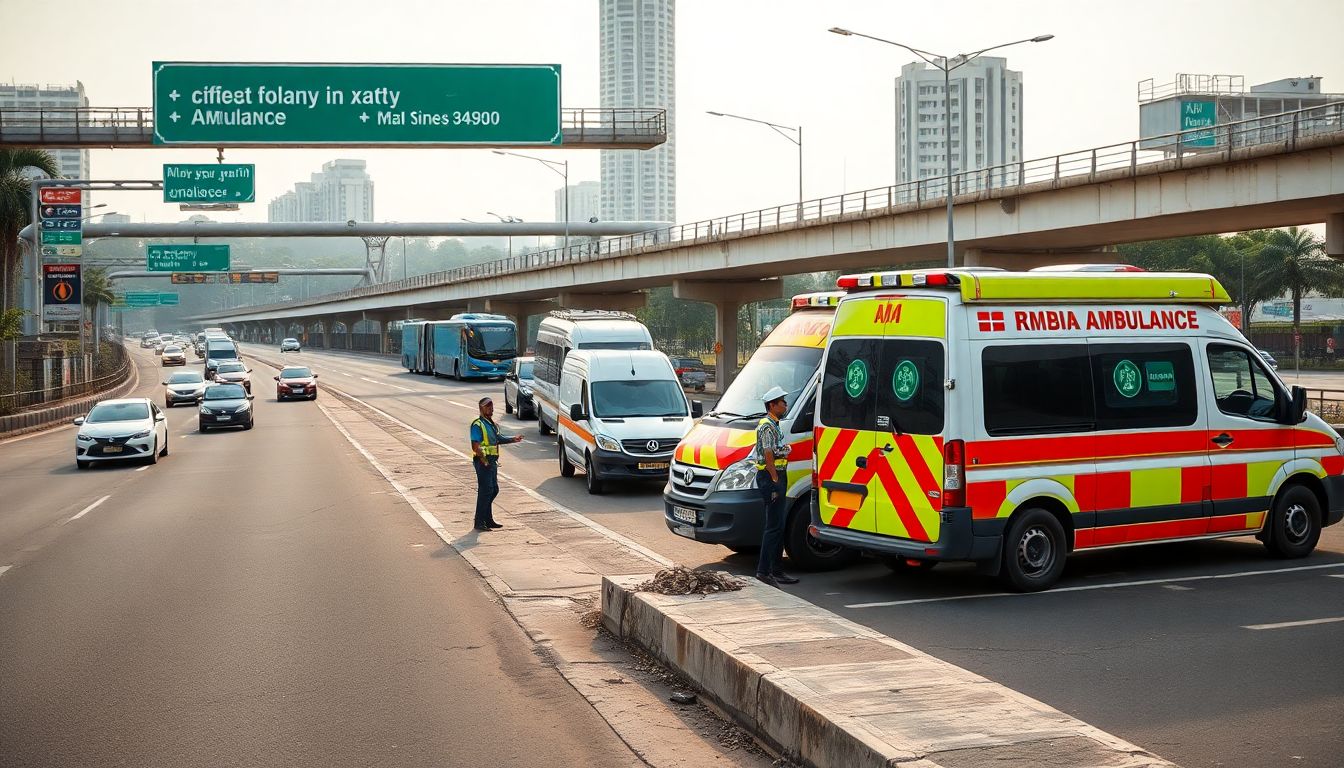
Tamil Nadu’s 108 emergency ambulance network has deployed additional vehicles and standby clusters across major crash zones in Chennai, including Koyambedu CMBT and near the Maraimalainagar Municipality Office, after identifying 70 accident "super-hotspots" across the state.
The initiative aims to ensure that frequent morning and evening rush-hour collisions do not cause back-to-back delays in medical assistance. According to the Emergency Management and Research Institute (EMRI), which operates the 108 service, a single ambulance typically requires about 80 minutes to reach a victim, administer first aid, transport the patient to a hospital, and return to service.
EMRI managers identified the high-risk zones using the Integrated Road Accident Database (iRAD), dividing the state into 2x2 km grids to analyse accident trends. While over 450 peak-hour hotspots were detected, at least 70 locations required more than one vehicle on standby during rush hours. In Chennai, both Koyambedu and Maraimalainagar recorded more than 40 accidents per month, trailing only the Pollachi bus stop grid in Coimbatore, which topped the statewide list with 55 monthly crashes.
At Koyambedu junction, an additional ambulance was stationed specifically at the intersection. Although three ambulances were already deployed within a 2-km radius at Thirumangalam, CMBT, and the Koyambedu metro station, officials noted that those units could not be diverted because their individual base locations were also accident hotspots.
EMRI head M Selvakumar stated that vehicle placement relies on an algorithm factoring in accident frequency, available parking space, and traffic density. On national highway stretches, ambulance positions are reversed between morning and evening hours to align with outbound and inbound traffic flows, preventing drivers from losing time making U-turns.
Technicians also utilize specialized software to triage victims, transferring patients with head, neck, or severe bleeding injuries to designated hospitals under the state's 'Innuyir Kappom Nammai Kakkum 48' scheme. Average emergency response times across the network dropped to 11.17 minutes in 2024 from 13.46 minutes in 2021, while hospital transit times decreased to 18.01 minutes.